
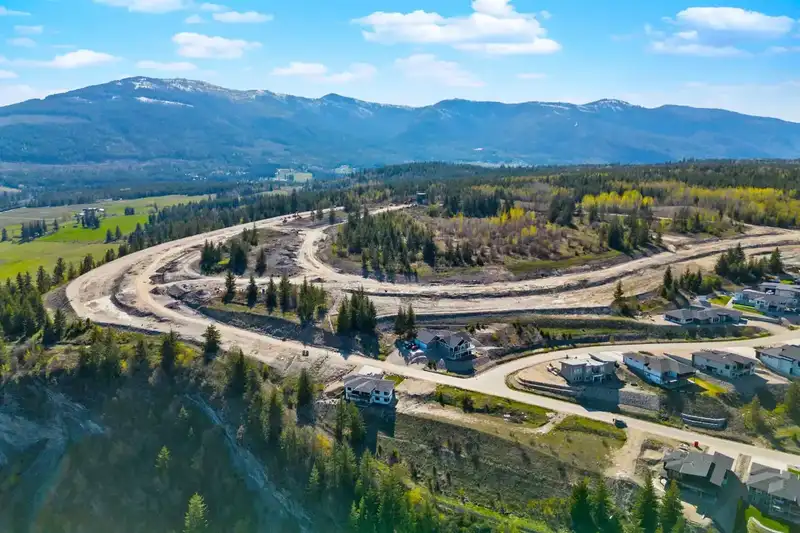
Guide · 2026
Buying land vs. buying a house in the Shuswap
Buying a house is faster and needs less down. Buying a serviced lot and building costs a little more to finance, but you control the layout, the finishes and the view. And a lot-plus-build can qualify for a BC tax exemption that a resale house often can’t. Here’s how the two paths really compare.
By Justin Gaspari, REALTOR®, CIR Realty · Updated September 2026
Quick answer
In BC, buying an existing house is faster and needs a smaller down payment—as little as 5% on an insured purchase—while buying a serviced lot and building typically needs about 35% down but gives you a brand-new home with the layout, finishes and lake view you choose. Building can also qualify for BC’s Newly Built Home Exemption, saving the Property Transfer Tax a resale house pays. On the Shuswap, where lake-view land is limited, building is often the only way to get the outlook you want.
Most buyers looking on the Shuswap start with the same question: is it smarter to buy an existing house, or to buy land and build? The honest answer is that they solve different problems. A resale house is the quicker, lower-down-payment route: you move in on possession day. Buying a serviced lot and building is the route to a brand-new house that faces the way you want, with the layout and finishes you chose, on land that’s still available while lake-view inventory shrinks.
The trade-off is money and time in the near term for control and a new build in the end. Below we break down the financing, the taxes and the costs people forget, so you can decide which path fits, with real ranges, not guesses. This is general information, not financial or legal advice; confirm the numbers for your situation with your mortgage broker, lawyer and accountant.
Side by side
The two paths at a glance
| Buy an existing house | Buy a serviced lot & build | |
|---|---|---|
| Down payment | As low as 5% on an insured purchase under $500,000 (higher above that). | A serviced lot usually needs about 35% down; a build is financed separately in draws. |
| Financing | One standard mortgage, funded in full at closing. | A land loan or a combined construction (draw) mortgage released in stages. |
| Timeline | Move in on possession day. | Plan on roughly a year from lot purchase to move-in, depending on design and permits. |
| What you control | Someone else’s layout, finishes and, often, the view. | The floor plan, the finishes and which way the house faces the lake. |
| BC Property Transfer Tax | Payable on the purchase price unless a specific exemption applies. | A lot-plus-build can qualify for the Newly Built Home Exemption within the value limits below. |
Figures are typical ranges and vary by lender and by your own situation. Confirm before you budget.
Financing the land
Why a lot needs more down than a house
A lender sees vacant land as higher-risk collateral than a house someone can live in, so a land loan asks for a bigger down payment than a standard mortgage. As a rule of thumb, a fully serviced lot, one with water, power and the other utilities already run to the property line, commonly needs around 35% down. Raw or unserviced land can require up to 50%, because the lender is also carrying the risk that servicing it turns out to be expensive or difficult.
This is one place a serviced lot quietly pays you back. The lots at The Highlands are fully serviced, so you finance them at the friendlier end of that range and you never get a surprise bill to bring in water or power, the two costs that catch buyers off guard on cheap raw land. Land-loan interest rates also tend to sit a little above standard mortgage rates, and amortizations can be shorter, so it’s worth talking to a mortgage broker before you fall for a listing.
Financing the build
How a construction (draw) mortgage works
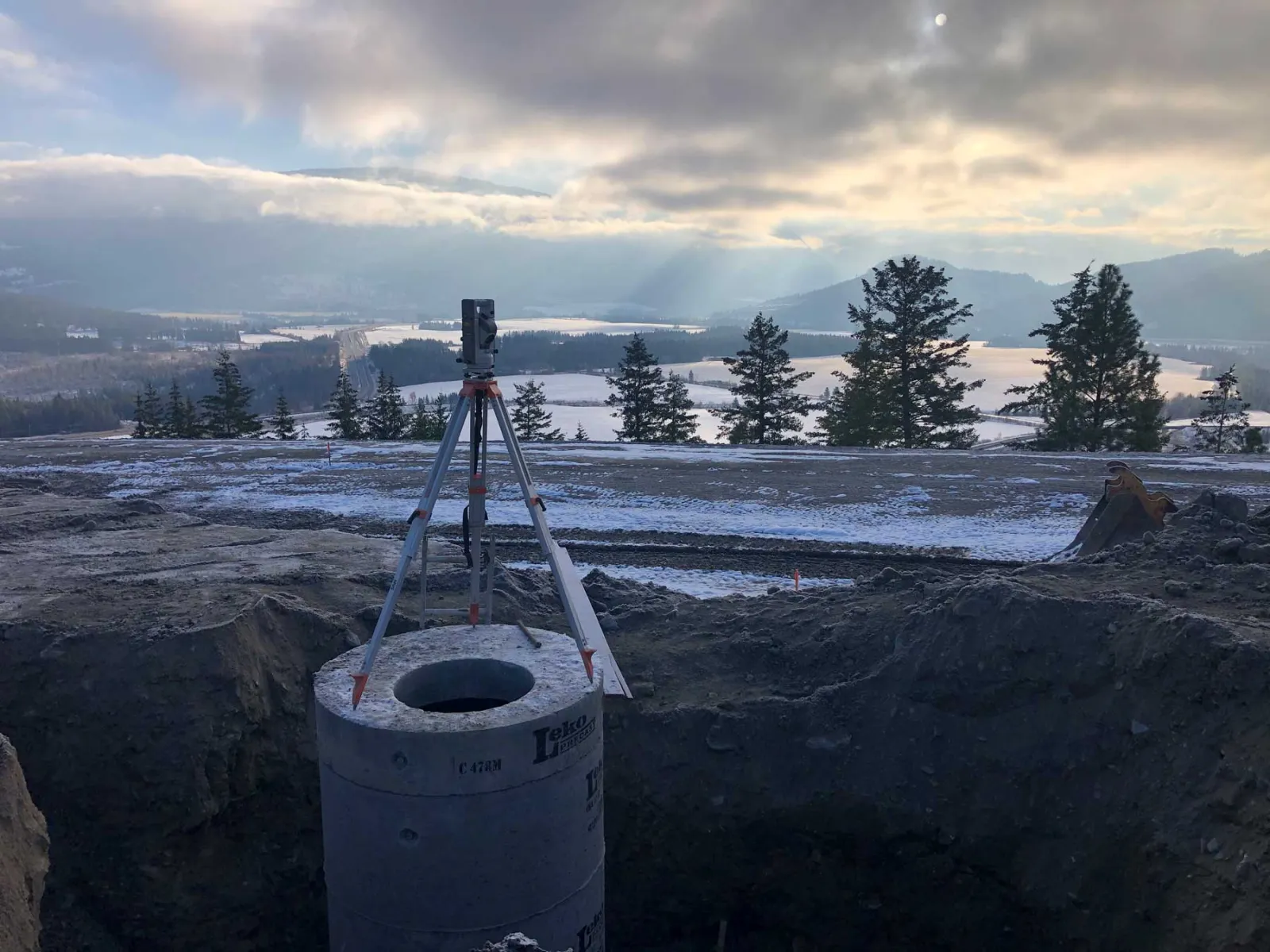
When you build, the house is usually funded by a construction mortgage, sometimes called a draw mortgage. Instead of handing over one lump sum, the lender releases money in draws tied to construction stages: foundation, framing, lock-up and completion. An inspection or appraisal confirms each stage before the money is released.
The upside is that you pay interest only on the amount drawn so far, so your carrying costs start small and grow with the house rather than hitting you all at once. When the build is done, the construction mortgage converts to a normal mortgage.
Many lenders will finance the lot and the build together under one construction mortgage, with the first draw used to buy the land (often around 65% to 75% of the lot cost) and later draws funding the house. The alternative is to buy the lot first (with cash or a land loan) and arrange construction financing afterward. Which is better comes down to your cash position and your lender, which is exactly why this is an early conversation, not a last-minute one.
The BC tax that favours building
The Newly Built Home Exemption
Here’s the part most buyers miss. BC charges Property Transfer Tax when a property changes hands: 1% on the first $200,000 of value and 2% on the portion above that. On a $250,000 lot that’s about $3,000, due when the lot is registered. On a resale house you generally just pay the equivalent and move on. But when you build, BC’s Newly Built Home Exemption can hand much of it back.
A newly built home used as your principal residence is fully exempt from Property Transfer Tax when its fair market value is under $1,100,000, with a partial exemption between $1,100,000 and $1,150,000. On the build-it-yourself path you pay the tax on the land at registration and then apply for the exemption as a refund once the house is finished and you’ve moved in, provided the land value plus build cost stays within the threshold and you meet the principal-residence conditions. The exact figures and timing change and depend on your situation, so confirm your eligibility with your lawyer.
With serviced lots here starting from $197,000, a lot plus a sensibly sized build sits comfortably under that mark, so the finished house can qualify for a break a pricier resale home doesn’t. Our cost-to-build guide walks through the build side of that math. On top of Property Transfer Tax, budget 5% GST on a new lot and a new build, with a possible GST New Housing Rebate on your principal residence. Tax rules have nuance and change, so confirm the current numbers with your lawyer and accountant before you count on any of it.
Don’t get surprised
Costs buyers forget when they build
- Holding costs: the interest you carry on each construction draw while the house goes up.
- Development Cost Charges and permit fees, paid at the building-permit stage, not at the lot purchase.
- GST on the lot and the build, and any rebate you may qualify to claim back.
- Legal, appraisal and inspection fees at both the lot purchase and each construction draw.
- The completion gap: the final draw is released after the house is finished, so you may briefly cover the last stretch yourself.
- On raw land only: bringing in water, power and septic. A serviced lot removes this one entirely.
Where The Highlands fits
Built for the buy-land-and-build path
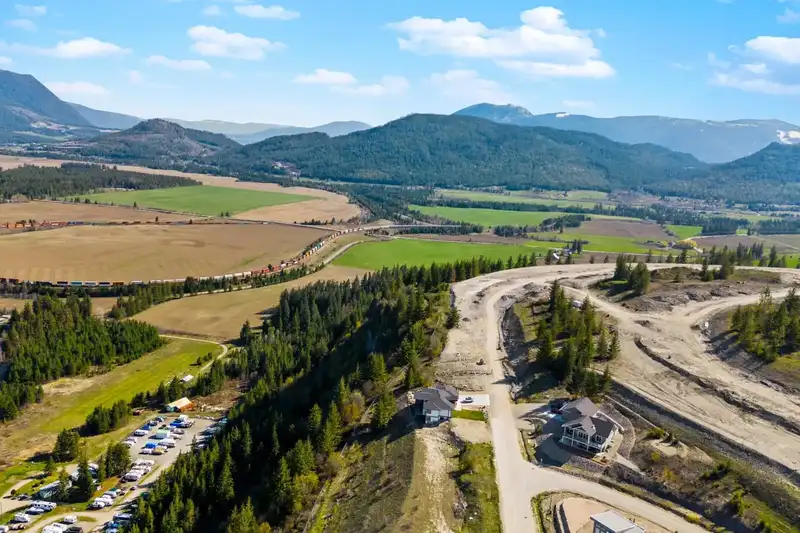
The Highlands at Blind Bay is a collection of fully serviced, lake-view lots from Blind Bay Developments Ltd., at the friendly end of the land-financing range, no servicing surprises, and outlooks you can’t buy in a finished resale house. You can take the land alone and build on your own timeline, or pair it with a move-in-ready build plan.
See the lots for sale, read how building your home here works, or register for updates and we’ll send new lot releases and pricing as they come.
Land vs. house FAQ
Common questions
Is it cheaper to buy land and build or buy an existing house in BC?
It is not always cheaper to build, but it is usually the only way to get a brand-new house with the exact layout, finishes and lake view you want. Buying an existing house is faster and needs a smaller down payment. Buying a serviced lot and building spreads the cost over about a year, lets you put your budget into what you actually care about, and on the Shuswap, where lake-view land is limited, is often the only path to the outlook you are after.
How much down payment do you need for a vacant lot in BC?
Land loans require more down than a home mortgage because vacant land is higher-risk collateral for the lender. As a rule of thumb, a fully serviced residential lot commonly needs around 35% down, while raw or unserviced land can require up to 50%. A serviced lot like the ones at The Highlands costs more up front but is easier to finance and carries no surprise servicing bills. Exact requirements vary by lender.
What is a construction mortgage and how does it work?
A construction, or draw, mortgage funds a build in stages rather than all at once. The lender releases money in draws tied to construction milestones (foundation, framing, lock-up, completion) with an inspection or appraisal before each draw. You pay interest only on the amount drawn so far, which keeps early costs down, and the loan converts to a regular mortgage once the house is finished. Many lenders will finance the lot purchase and the build together, with the first draw going toward the land.
Do you pay Property Transfer Tax when you buy a lot and build in BC?
You pay BC Property Transfer Tax on the lot when it is registered: 1% on the first $200,000 and 2% on the rest, so roughly $3,000 on a $250,000 lot. Building can earn much of it back: a newly built home used as your principal residence is fully exempt from Property Transfer Tax when its fair market value is under $1,100,000, with a partial exemption up to $1,150,000. On the build-it-yourself path you claim it as a refund after the home is finished and occupied, subject to the value threshold and principal-residence conditions. Thresholds and timing change, so confirm your eligibility with your lawyer.
Do you pay GST on a new lot and a new build in BC?
Generally yes. A newly created, serviced residential lot sold by a developer is usually subject to 5% GST, and so is a newly built house. There is a federal GST New Housing Rebate that can return part of the GST on a home that becomes your primary residence. GST treatment has real nuance, so confirm the exact amount and any rebate you qualify for with your accountant or lawyer before you budget.
Can you finance the lot and the build together?
Yes. A combined construction mortgage lets you finance both the land and the house under one loan, with the first draw used to buy the lot and later draws funding the build. The alternative is to buy the lot outright (with cash or a land loan) and arrange construction financing afterward. Which is better depends on your cash position and your lender, so it is worth a conversation with a mortgage broker early.